
Google Ads For Plumbers: Budget, Keywords, And Mistakes To Avoid
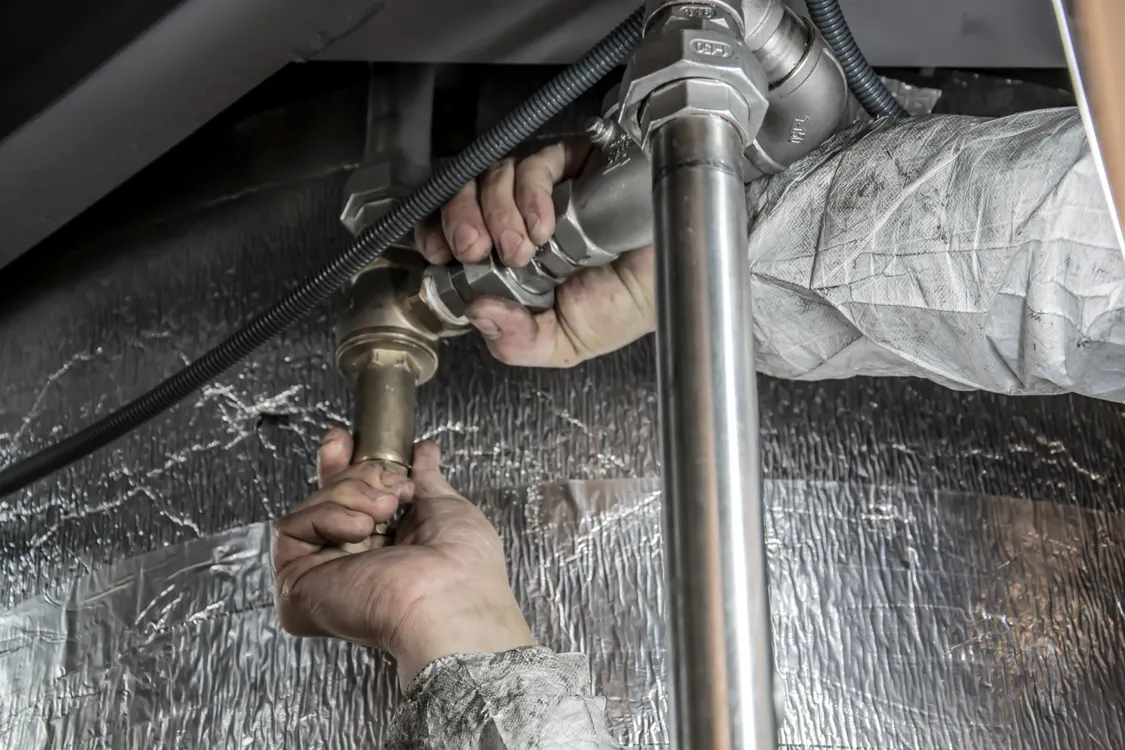
Photo: Anıl Karakaya / Pexels
A burst pipe does not wait for office hours. A homeowner with water on the floor searches for help right now. That is the moment Google Ads is built for. It can also drain money fast, so this guide explains how it works, how to think about budget and keywords, and which mistakes to avoid.
The Direct Answer
Google Ads for plumbers is paid search advertising that shows your business at the top of Google when someone nearby searches for plumbing help. You choose the services, the area, and the keywords. You pay when someone clicks your ad, not when they see it. It works best for urgent jobs, when the caller is ready to book.
TL;DR
- Google Ads fits urgent plumbing work. The searcher already needs help.
- Start with a small set of services you do well, in the area you serve.
- Set a budget from what a booked job is worth to you.
- Use tight keywords, negative keywords, and a landing page that matches each ad.
- Answer the phone. Track calls and booked jobs, not just clicks.
How Does Google Ads Work For A Plumber?
Google Ads is a paid way to appear in Google Search. When someone types "plumber near me" or "emergency leak repair," Google runs an auction in a fraction of a second. It looks at your bid, your ad quality, and how well your ad and landing page match the search. The winners show at the top, marked as ads.
You do not pay for the ad to appear. You pay when someone clicks it. The price of a click changes with the keyword, the area, the time of day, and how many other plumbers are bidding. Google explains the setup steps in its help pages: create a campaign, pick a goal such as leads, choose Search, set up ad groups, write ads, and choose a budget. See Google Ads Help: Create a Search campaign.
Ads can show the same day a campaign is approved. Organic results take time to build.
What Should A Plumber Advertise First?
Start narrow. Pick the jobs you want most, the ones you do well, and the ones that pay for the ad spend. For many plumbers, that means emergency repairs, drain cleaning, water heater repair and replacement, and leak detection. These are urgent, and the caller has a clear problem.
Do not advertise everything at once. A campaign that covers every service in every town spreads the budget thin and makes the ads vague. A person with a burst pipe wants to know you fix burst pipes, you serve their area, and you can come now. Ask three questions first: do we do this job well, does the caller need help soon, and can we answer the phone and book the job? If any answer is no, leave that service out for now. Set the location to the towns you actually serve.
How Do You Set A Google Ads Budget Without Guessing?
There is no single right budget for every plumbing business. A one-truck shop in a small town and a larger company in a big city face different competition and different job values. Anyone who gives you a fixed number without asking about your business is guessing.
Set the budget from your own numbers. First, know what a booked job is worth to you, after parts, labor, and the trip. Second, know how many calls turn into booked jobs. If you answer most calls and book a fair share, each click is worth more. If calls go to voicemail, fix the phone process before you raise the budget. Third, start with a budget you can afford to test. Watch it daily at first. If the calls are good and the jobs book, raise it. If the calls are wrong, pause and fix the targeting first.
Do not judge a campaign on clicks alone. A cheap click that never calls is not a bargain.
Which Keywords Should Plumbers Use?
Keywords are the words that trigger your ad. Pick them the way a customer would search, not the way a plumber would talk. A customer types "plumber near me," "clogged drain," or "no hot water." Group keywords by job type, so each group has its own ad and its own landing page. A drain cleaning group should not share an ad with a water heater group.
| Keyword group | Example searches | What the caller wants |
|---|---|---|
| Emergency repairs | burst pipe, leaking pipe, water leak repair | Help now, from a plumber nearby |
| Drain and sewer | clogged drain, drain cleaning, sewer backup | A clear drain, soon, at a fair price |
| Water heater | no hot water, water heater repair, water heater replacement | Hot water restored, or a new unit |
| Fixtures and installs | faucet replacement, toilet repair, new shower install | A planned job, with a clear price and date |
Match types control how closely a search must relate to your keyword. Google explains the three types: broad match reaches the widest set of related searches, phrase match reaches searches that include the meaning of your keyword, and exact match reaches searches with the same meaning or intent. See Google Ads Help: About keyword matching options. For a first campaign, phrase match and exact match give you more control.
Negative keywords stop your ad from showing for searches you do not want, such as "free," "DIY," "how to," "jobs," and "parts." Review the search terms report every week, and add the bad searches as negatives.
What Makes A Plumbing Ad Get Calls Instead Of Clicks?
A good plumbing ad is specific, local, and easy to act on. It names the service, the area, and the next step. It does not try to be clever. A person with a leak is not shopping for a slogan. They are looking for a plumber who can help.
Write the ad for one job and one place. "Emergency leak repair" is stronger than "plumbing services." Add the area you serve and a clear next step, such as "Call now." Use call assets so people can tap to call from the ad.
Where Should The Ad Send People?
Send each ad to a page built for that job. A drain cleaning ad should land on a drain cleaning page. A water heater ad should land on a water heater page. A general homepage is a weak landing page, because it makes the visitor search for the service they already asked about.
A good landing page has a headline that names the service and the area, a phone number that is easy to tap on a mobile phone, and a short form. Keep the page fast and simple. Our web development service covers sites built to turn visits into calls.
How Do You Know If Google Ads Is Working?
Start by tracking calls. Set up call tracking so you know which calls came from ads, and record what happened on each call. Was it a real plumbing job in your area? Was it booked? Was it a wrong number, a job seeker, or a sales call? A simple sheet with the date, the service, and the result is enough to start.
Each week, ask: how many calls came from ads, how many were real jobs, and how many were booked? If a keyword group brings clicks but no booked jobs, pause it and find out why.

What Mistakes Waste The Most Money?
Most wasted ad spend comes from a short list of mistakes. Sending all ads to the homepage makes the visitor hunt for the service, and many will not bother. Using only broad keywords brings in searches you do not want. Skipping negative keywords lets your ad show for DIY searches, job searches, and free advice. Targeting too wide an area brings clicks from places you do not serve.
No call tracking is another costly mistake. If you cannot tell which calls came from ads, you cannot tell if ads work. No one answering the phone is just as costly. If calls go to voicemail and no one calls back fast, the caller rings the next plumber.
Should Plumbers Use Google Ads Or SEO?
This is not an either-or choice. Ads and SEO do different jobs, and they work well together. Google Ads brings calls fast. You can start a campaign, get approved, and appear the same day. The trade-off is that the calls stop when the spend stops.
SEO, or search engine optimization, builds free visibility over time. It covers your Google Business Profile, your service pages, reviews, and helpful content. It takes longer to show results, and no one can promise a fixed date. Use ads for urgent jobs now, and build SEO at the same time. Read What Is Local SEO? and How Long Does SEO Take to Work?. Our SEO and local visibility service covers the organic side.
Key Takeaways
- Google Ads fits plumbers best for urgent, high-intent jobs. The caller already needs help.
- Start narrow: a few services you do well, in the area you serve.
- Set the budget from what a booked job is worth, and what share of calls you book.
- Use tight keywords, add negative keywords every week, and read the search terms report.
- Match the ad, the keyword, and the landing page.
- Track calls and booked jobs. Clicks alone do not pay the bills.
- Run ads for speed and SEO for the long term.
Book A Free Discovery Call
If you want help with Google Ads for your plumbing business, book a free discovery call with Nextalytic. We will look at your services, your area, and your current ads or website, and talk through what to fix first.
Call (302) 360-6373 or email contact@nextalytic.com.
Book a free discovery call ↗ · Send an inquiry
You can also reach us through our contact page.
Frequently Asked Questions
Do Google Ads work for plumbers?
They can work well for urgent jobs, when the ad, the keyword, and the landing page match, and when someone answers the phone. They work poorly when the targeting is broad, the landing page is generic, or calls go unanswered. Track booked jobs, not just clicks.
How much should a plumber spend on Google Ads?
There is no fixed figure that fits every plumbing business. The right budget depends on your area, your competition, the jobs you want, and what a booked job is worth to you. Start with a test budget you can afford, and raise it only when the results support it.
What keywords should a plumber bid on?
Bid on service and intent keywords, grouped by job type: emergency repairs, drain cleaning, water heater work, and fixture installs. Use phrase match and exact match for control in a first campaign. Add negative keywords for DIY, jobs, training, and free advice.
Why do my Google Ads get clicks but no calls?
Common causes are a landing page that does not match the ad, a phone number that is hard to find on mobile, slow page speed, or an ad that attracts the wrong searchers. Check the search terms report, the landing page, and the phone process.