
SEO Vs Google Ads For Roofers: Which Brings More Calls?
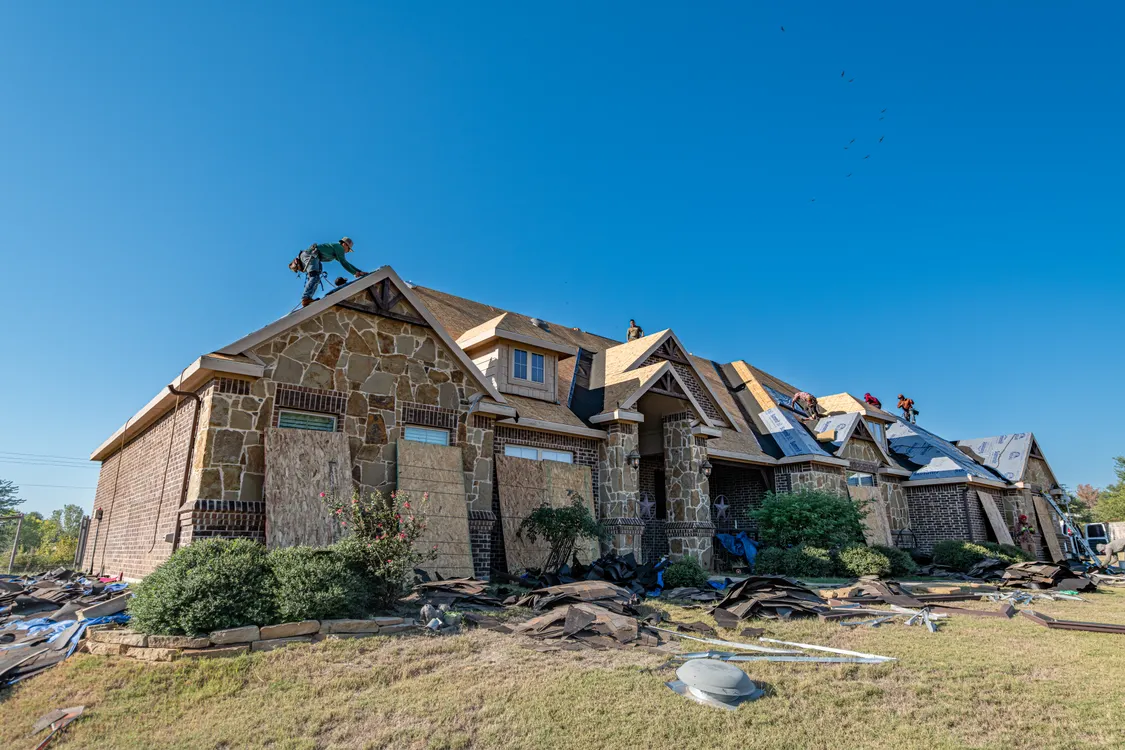
Photo: Ryan Stephens / Pexels
When a homeowner searches for a roofer, which channel brings the call first, SEO or Google Ads? Both can work. They work in different ways, at different speeds, and with different risks. The wrong choice is paying for one without knowing what it is supposed to do.
Direct answer: For most roofing companies, Google Ads brings calls faster, while SEO builds a steadier flow over time. Ads can start within days, but calls stop when the budget stops. SEO takes longer, yet the pages and listings you earn keep working. Many roofers do best with both, using ads for urgent jobs and SEO for lasting visibility.
TL;DR
- Google Ads can bring calls quickly. You pay for each click, and you can pause the campaign at any time.
- SEO takes longer. It builds your profile, your website pages, and your reviews into a lasting source of calls.
- Roofing searches are often urgent. A leak or storm damage means the homeowner wants help now.
- Neither channel fixes a weak website. Fix the basics first.
How Does SEO Bring Calls For A Roofing Company?
SEO, or search engine optimization, is the work of making your business easy to find in the free, or organic, results on Google. For a roofer, that means three things working together. Your Google Business Profile, your website pages, and your reviews all shape where you show up when a homeowner searches.
When someone searches for "roof repair near me," Google looks at relevance, distance, and prominence. Relevance is whether your profile and pages match the search. Distance is how close you are to the searcher. Prominence is how well known and trusted your business looks online, and reviews play a large part in that.
This work does not bring calls overnight. A new page can take weeks to rank. But once a page ranks, it can bring calls week after week without a per-click charge. That is the main strength of SEO. It builds an asset you keep. Google explains SEO in plain terms in its SEO Starter Guide. The guide makes one point clear. There is no secret that puts a site first.
How Do Google Ads Bring Calls For A Roofing Company?
Google Ads puts your business at the top of the search results as a paid ad. You choose the search terms, such as "emergency roofer," and you set a budget. When someone searches for those terms, your ad can appear above the organic results. You pay when someone clicks the ad, not when it is shown.
Google runs an auction each time someone searches. Your bid, the quality of your ad, and how well your landing page matches the search all affect whether your ad shows. Google explains this in its guide on how Google Ads works.
For roofers, ads have one clear advantage. Speed. A campaign can be live in days, and calls can start the same week. That matters after a storm, when homeowners need help now.
Ads have a clear limit too. When the budget runs out, the calls stop. That is why the landing page matters. An ad that sends a homeowner to a page about the exact service they searched for, with a phone number at the top, turns more clicks into calls than an ad that sends them to a generic homepage.
SEO Vs Google Ads: Side By Side
| Factor | SEO | Google Ads |
|---|---|---|
| Speed to first calls | Slow, often weeks to months | Fast, often within days of launch |
| Cost pattern | Ongoing work, no charge per click | Pay per click, calls stop when budget stops |
| Staying power | Pages and listings keep working over time | Visibility ends when the campaign ends |
| Control | Limited, Google decides rankings | High, you set budget, area, and keywords |
| Trust signal | Reviews, profile strength, and useful pages | Ad label is visible, so the page must earn trust fast |
| Best for | Steady local visibility and replacement jobs | Urgent jobs, storm work, and filling gaps fast |
Read the table as a guide, not a verdict. A roofer in a small town may rank with steady SEO work alone. A roofer in a crowded city may need ads to be seen at all while SEO builds.
Which Channel Wins For Emergency Roof Repairs?
Emergency repairs favor Google Ads, in most cases. The homeowner has a leak, water is coming in, and they are searching from their phone. They want a roofer who answers now.
SEO still matters for emergencies. A strong Google Business Profile can show in the local map results with your phone number, hours, and reviews. But if your profile is thin, a competitor with a stronger profile and an ad will get the call first.
If your crew can take emergency work this week, ads can fill that gap. If you cannot answer the phone fast, ads will waste money. Before you run ads for emergencies, make sure someone answers the phone.
Which Channel Wins For Roof Replacement Jobs?
Roof replacement is a bigger decision, and it favors SEO more than emergency work does. A homeowner planning a full replacement often searches more than once. They read pages, compare companies, check reviews, and ask for more than one quote.
A strong replacement page should answer the questions a homeowner actually asks. What does the process look like? What areas do you serve? What do past customers say? It should show photos of real work and make it easy to call or request a quote. Pages like this are the core of our SEO and local visibility service.
Ads can still help with replacements, by putting you in front of a homeowner who is ready to get quotes now. But if the ad leads to a thin page with no useful detail, the homeowner will click back and call someone else. For replacement work, the page matters as much as the ad.
What Should You Check Before You Spend On Either Channel?
Spend nothing until the basics are right. Both channels send people to the same place, your business online.
First, check your Google Business Profile. Is the name, phone number, and service area correct? Are your services listed? Do you have photos of real jobs and reviews, and have you replied to them? A profile with no photos and no replies looks inactive, even if the company is busy.
Second, check your website on a phone. Can a visitor see your phone number without scrolling? Does each service have its own page? If the site is slow or confusing, fix it before you buy traffic. Our web development service covers this kind of fix, from page speed to a clear call button on every page.
Third, check how you handle calls. Who answers, and how fast do you call back a missed call? Do you track which calls came from Google? A simple call log, kept by hand or in a spreadsheet, is enough to start.
Fourth, look at your reviews. If your newest review is months old, ask recent customers for one. Do not offer payment or a discount for a review, and do not write reviews yourself. Google is clear on this point in its prohibited content policy, which bans fake and misleading reviews.
Can You Use SEO And Google Ads Together?
Yes, and for many roofers this is the practical answer. Ads bring calls while SEO builds. SEO keeps bringing calls after the ad budget is spent. Together, they give you both speed and staying power.
Split the work by job type. Use ads for urgent searches such as emergency repair and storm damage, where speed matters most. Use SEO for the pages that earn trust over time, such as roof replacement and inspection. Over time, watch which search terms bring calls from each channel. If a term starts ranking well in SEO, you may not need to pay for it in ads anymore. Our Google Ads service points each ad to the right page for that search, not to a generic homepage.

How Do You Decide What To Do First?
Ask three questions, in this order. First, what job do you need most right now? If your crew has open days this week, ads can fill them. If you want a steadier flow of replacement quotes over the next few months, SEO is the better first step. Second, what does your online presence look like today? If your profile is empty and your site is out of date, fix those first. Third, can you measure the result? Before you start, decide how you will track calls by date and service. After a month, you will have a real answer based on your market, not on a general claim.
Key Takeaways
- Google Ads brings calls faster. SEO builds a steadier flow of calls over time.
- Emergency repair searches favor ads. Roof replacement searches favor strong SEO pages and reviews.
- Fix your Google Business Profile, your phone handling, and your website before you spend on either channel.
- Running both channels is often the practical answer, split by job type.
- Track calls by service and source for a month, then decide with your own numbers.
Book A Free Discovery Call
Want a plain answer for your roofing company? Book a free discovery call with Nextalytic. We will look at your Google Business Profile, your website, and the jobs you want most, then tell you whether SEO, Google Ads, or both fit first. Our SEO plans are $479.99, $639.99, and $959.99 per month.
Call (302) 360-6373 or email contact@nextalytic.com to book your call.
Book a free discovery call ↗ · Send an inquiry
FAQ
Should a new roofing company start with SEO or Google Ads?
Start with the job you need most. If you need calls this week, ads can bring them while you build SEO. If you can wait, and your profile and site are in good shape, SEO is a solid first step. Either way, fix your profile and your phone handling first.
How long does roofing SEO take to bring calls?
There is no fixed timeline, and anyone who promises one is guessing. A new page can take weeks to rank, and a profile with few reviews takes longer to build trust. Expect steady work over months, not days. Ads are the faster option when you need calls now. Read our article on how long SEO takes for the full timeline picture.
Do Google Ads work if my website is old?
They can bring clicks, but an old or confusing site will turn fewer of those clicks into calls. The ad and the landing page must match. Fix the page before you raise the budget.
Can I pause Google Ads when I am fully booked?
Yes. You can pause a campaign at any time, or lower the budget instead of stopping it. Paying for calls you cannot take is wasted spend.
Do reviews really affect roofing SEO?
Yes. Reviews affect how your business looks in local results and how a homeowner decides to call. Ask customers for a review, reply to each one, and never pay for reviews or write them yourself.